
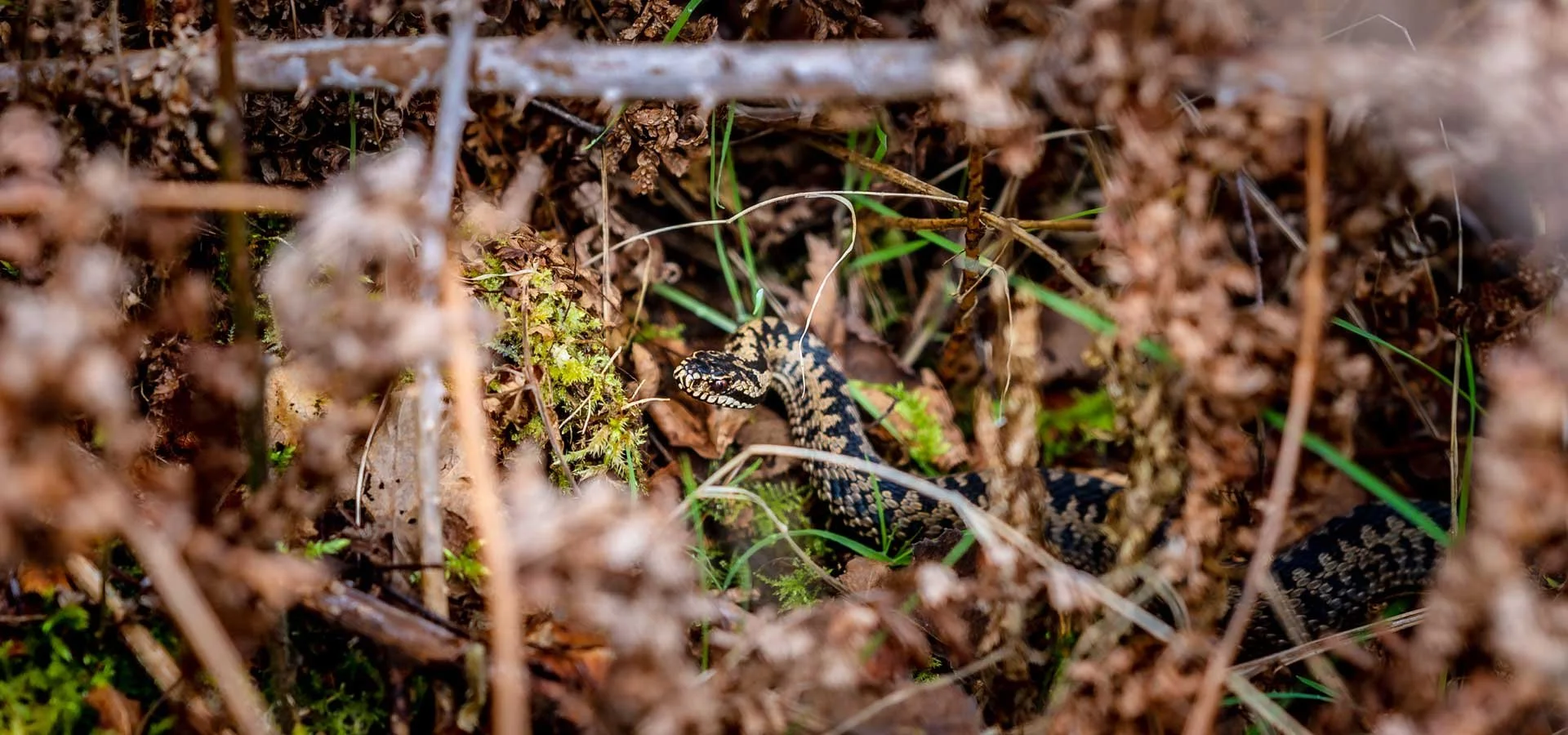
Wildlife at Walkmill
Walkmill is a fantastic place to spot wildlife. Whether you're a seasoned naturalist or just enjoy a quiet stroll, there’s plenty to discover here throughout the year. From birds and butterflies to bats and adders, the site’s mix of habitats makes it a rich and diverse place for nature.

Birds
Walkmill's diverse mix of habitats, including woodland, scrub, ponds, and open grassland, provides a home for many bird species. This patchwork of environments ensures there's something for everyone, whether they prefer dense undergrowth or wide-open spaces.
You can identify the birds you see or hear at Walkmill with the free Merlin Bird ID App. You can use the app to:
Record a bird song or call.
Upload a photo of a bird.
Enter details about a bird you've seen.
Download the app directly from the Merlin Bird ID website.
Recently heard or seen on site
Blackbird
Blackcap
Blue Tit
Bullfinch
Buzzard
Chaffinch
Garden Warbler
Grasshopper Warbler
Great Tit
Goldfinch
Jay
Kestrel
Lapwing
Lesser Redpoll
Long-tailed Tit
Magpie
Mistle Thrush
Robin
Siskin
Song Thrush
Sparrow Hawk
Whitethroat
Willow Warbler
Wren
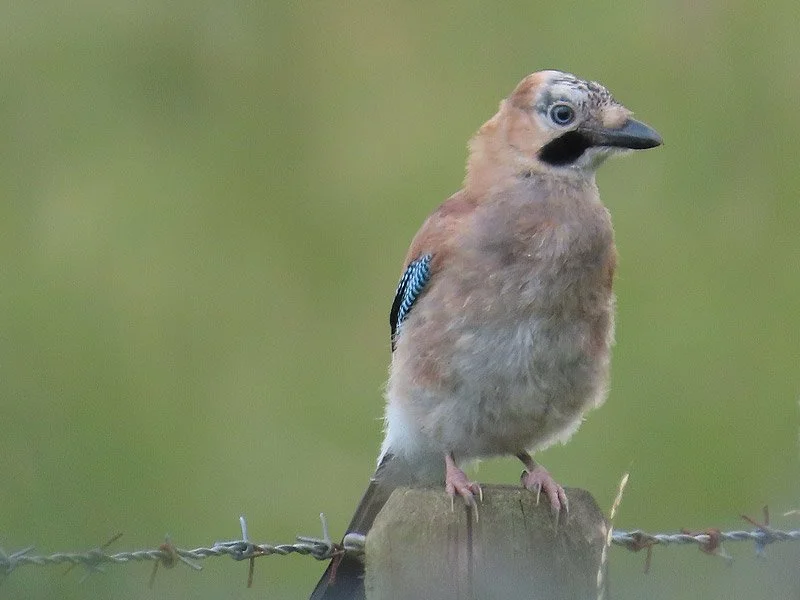
Jay
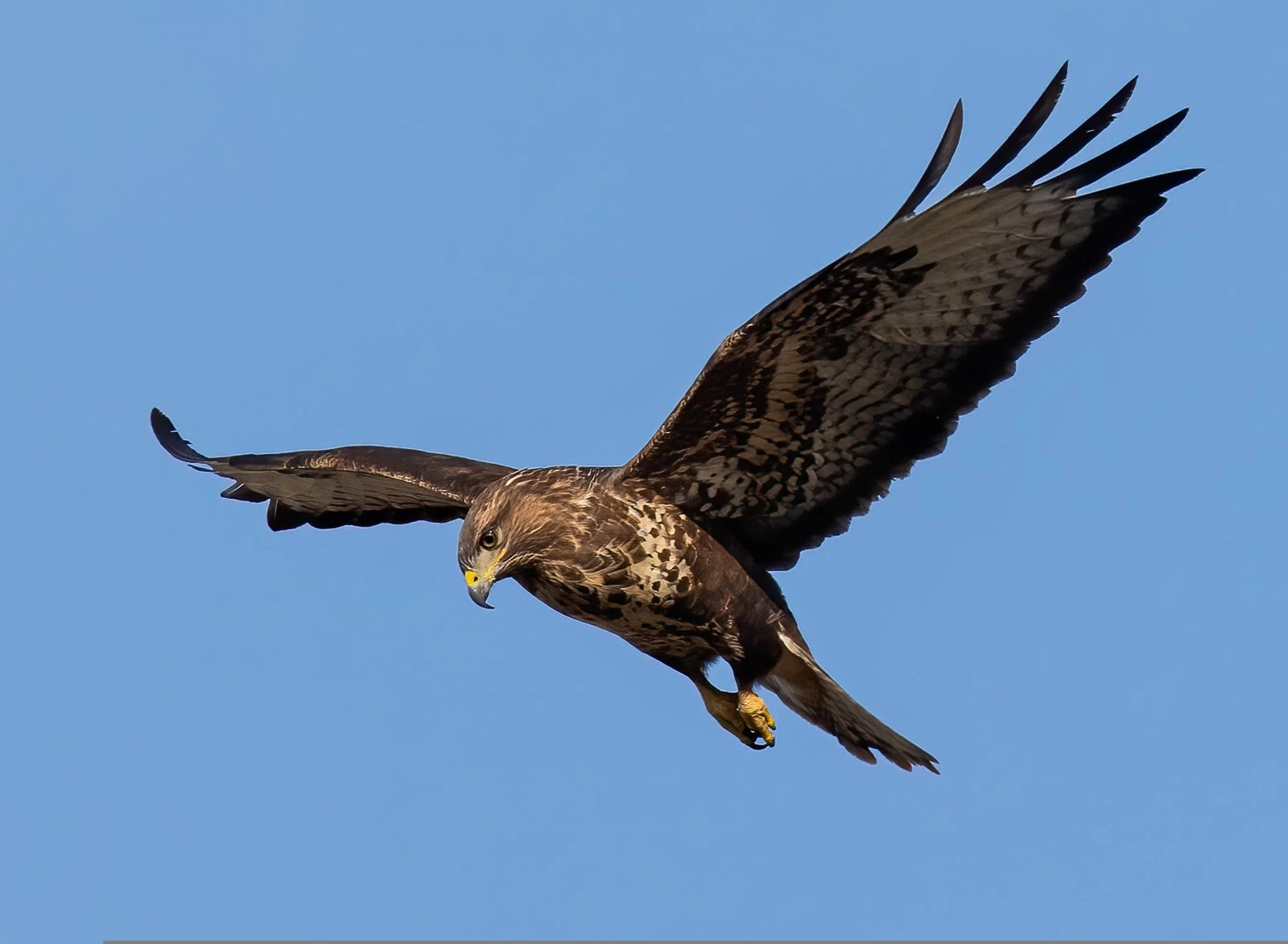
Buzzard
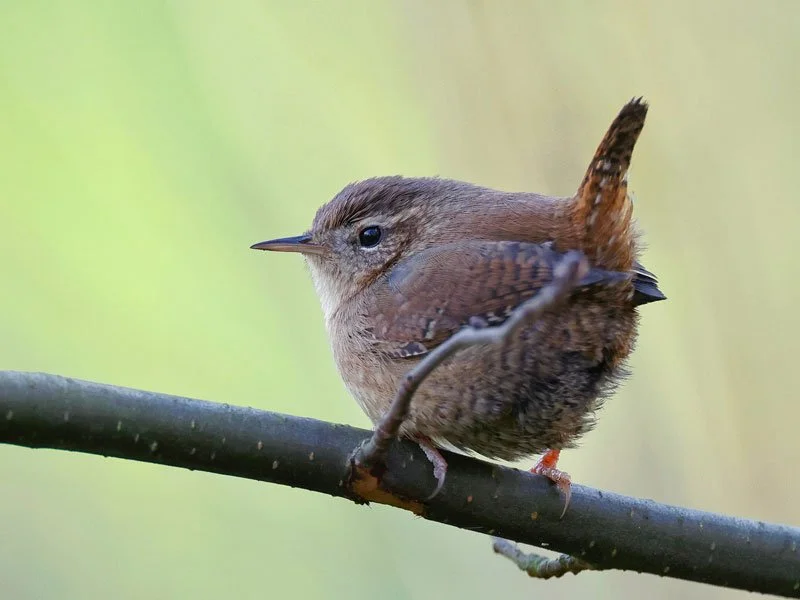
Wren
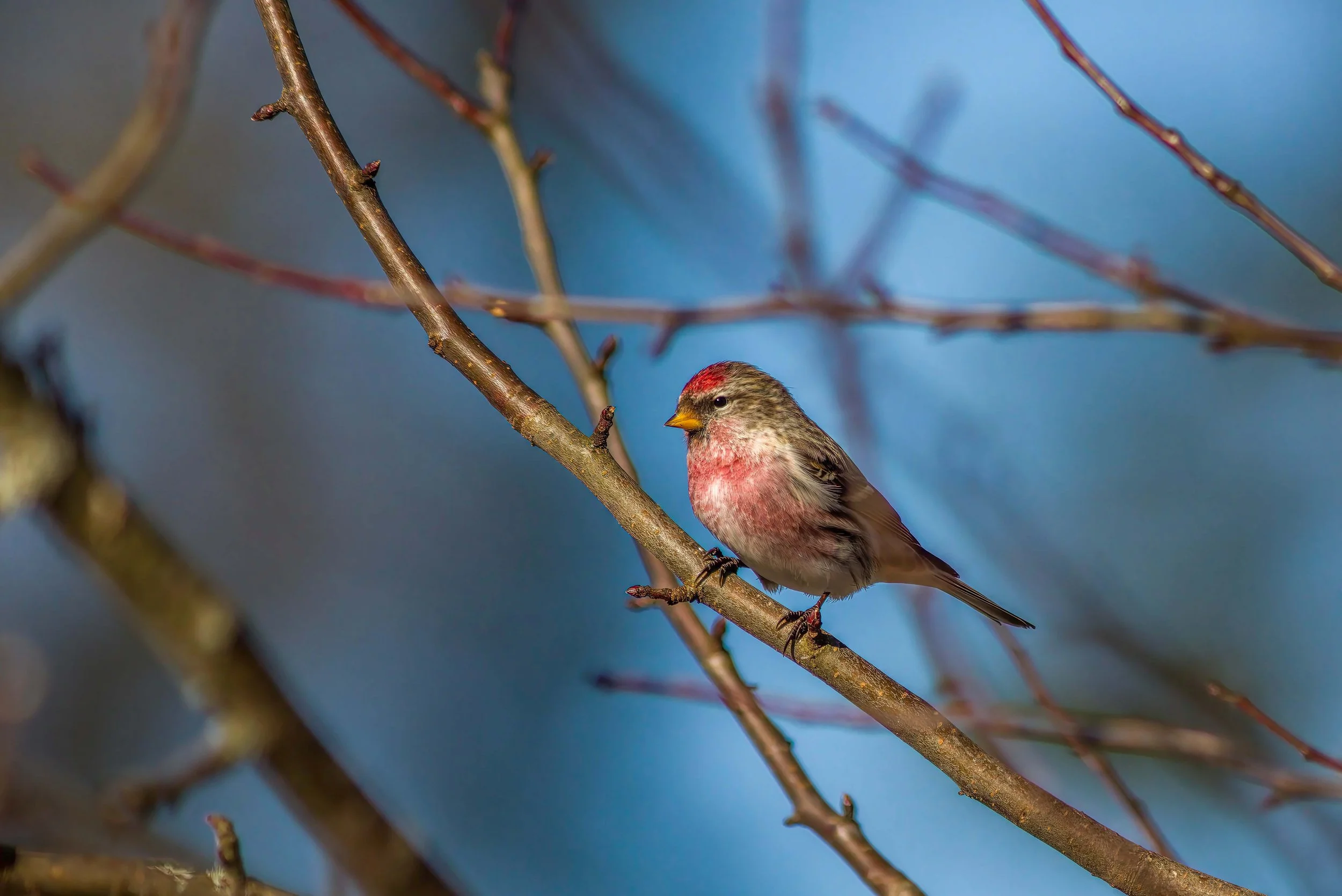
Lesser Redpoll
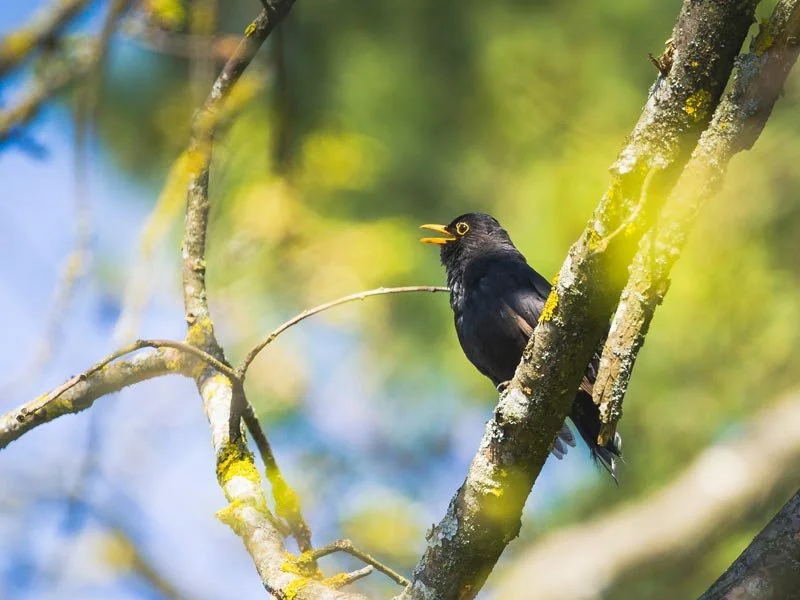
Blackbird
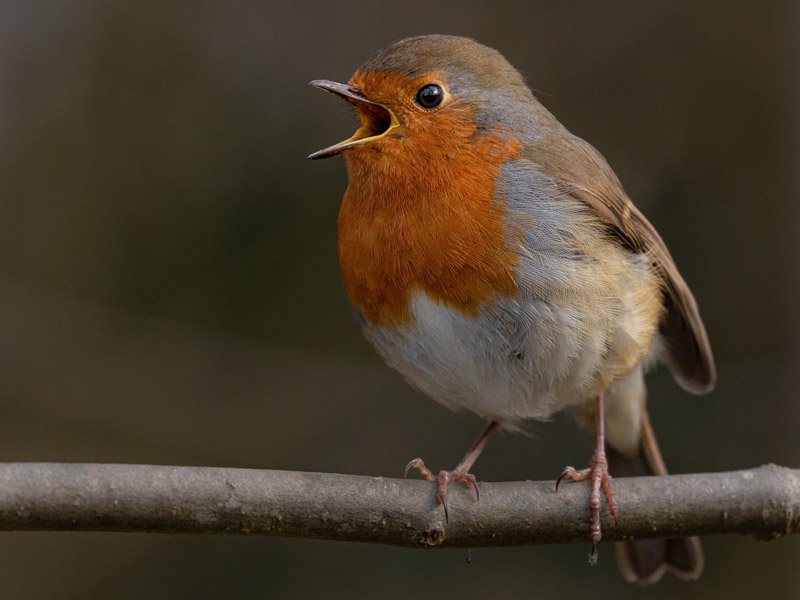
Robin
Reptiles & Amphibians
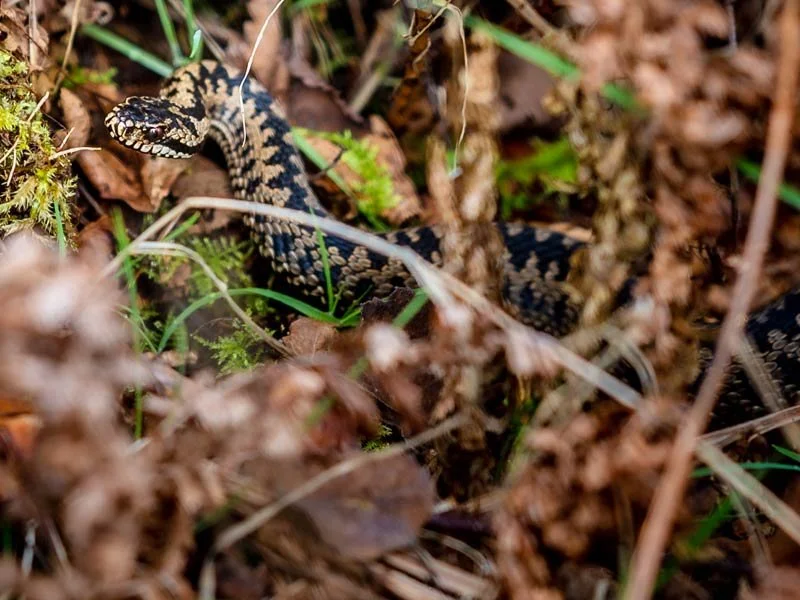
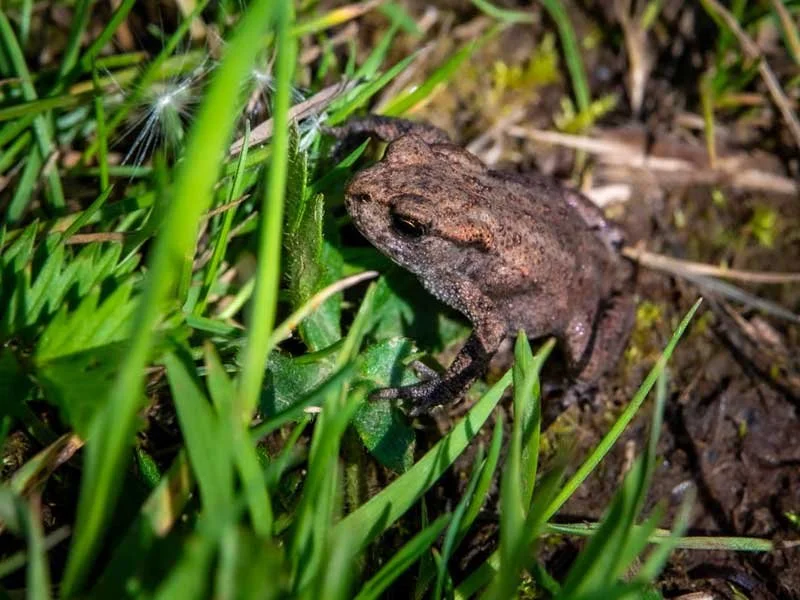
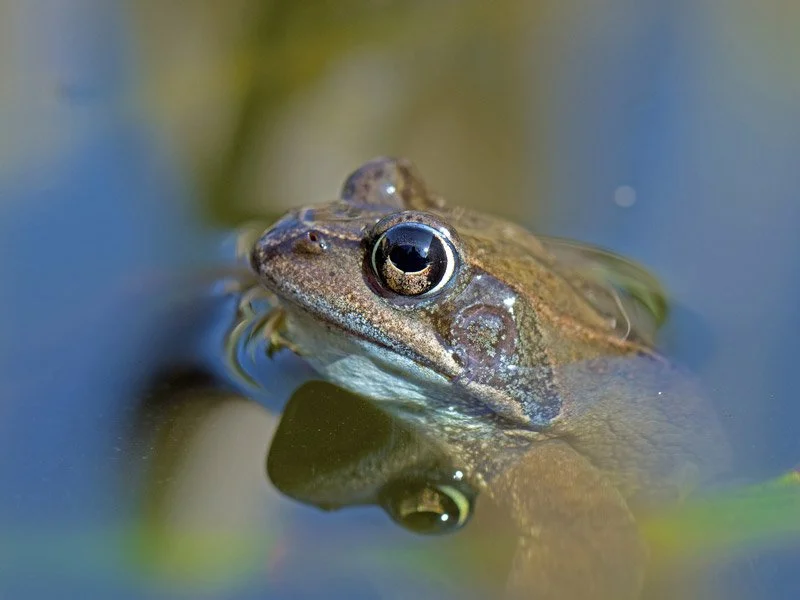
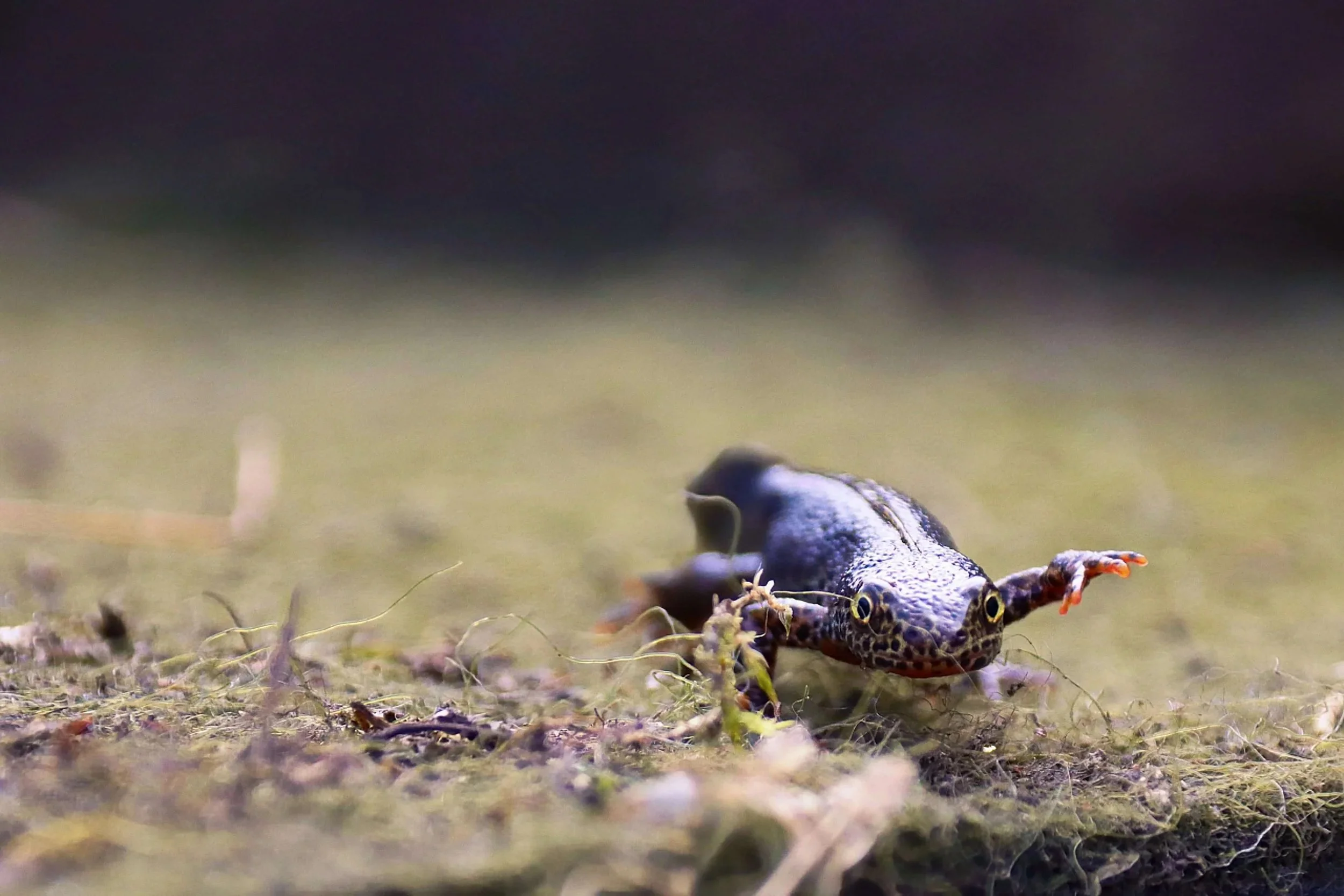
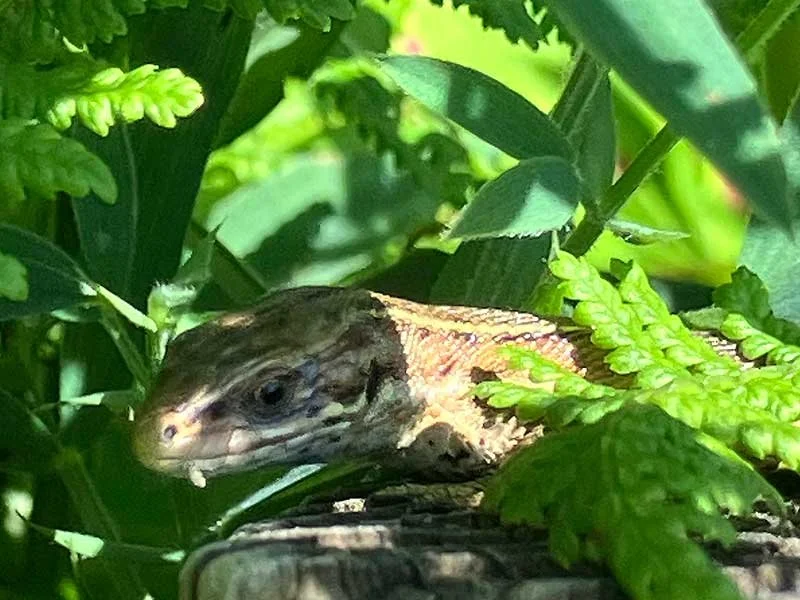
Reptiles and amphibians thrive here at Walkmill, thanks to a combination of essential habitat features. The damp shelter and abundant insects found in ponds, wet areas, scrub, and shady undergrowth provide an ideal home for amphibians. The woodland offers reptiles everything they need, including warm basking spots, dense cover, and plenty of food.
Regular sightings include
Adder
Common Toad
Common Frog
Smooth Newt
Common Lizard

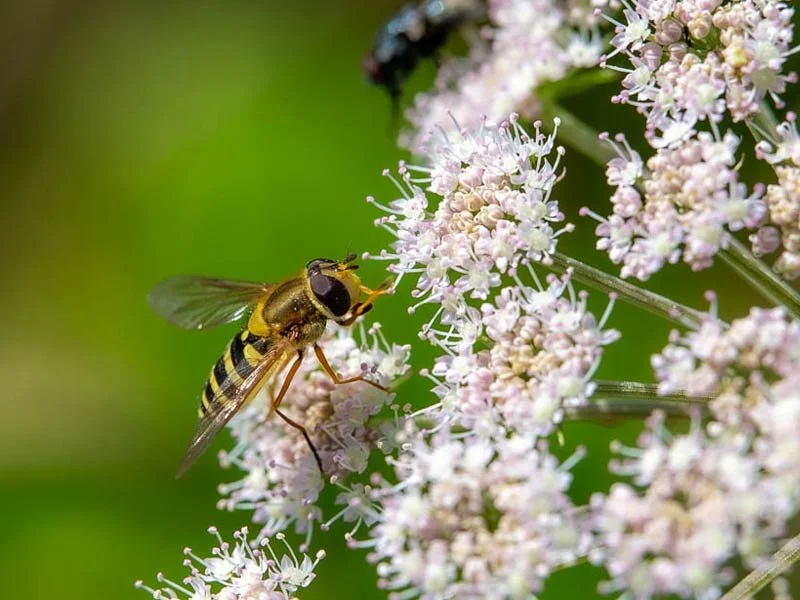
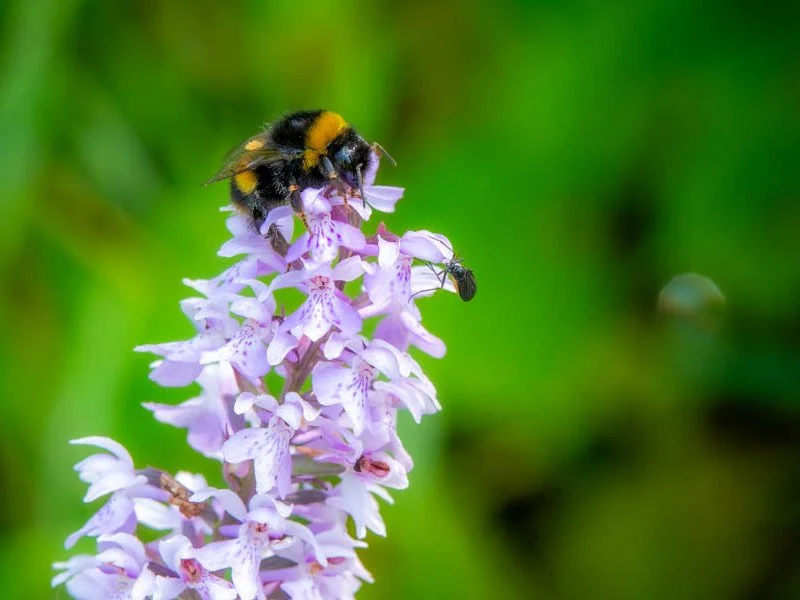
Invertebrates - the unsung heroes of the ecosystem
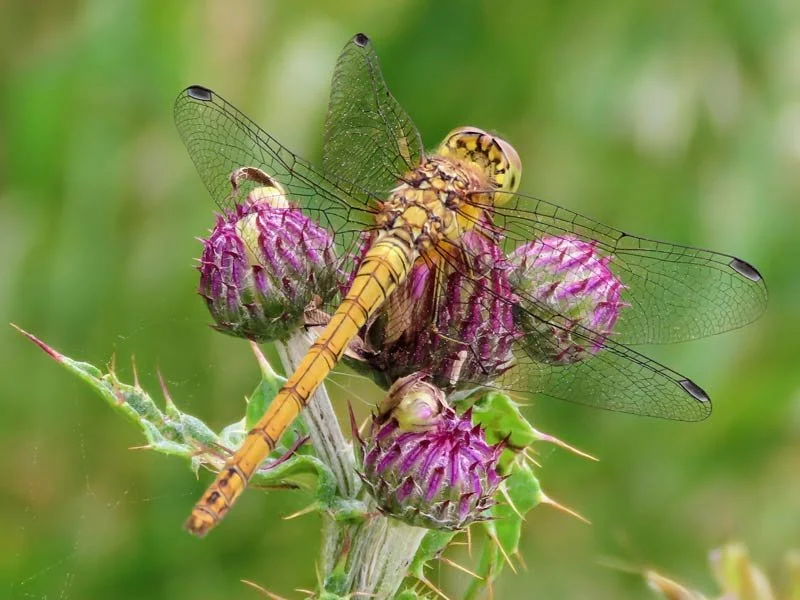
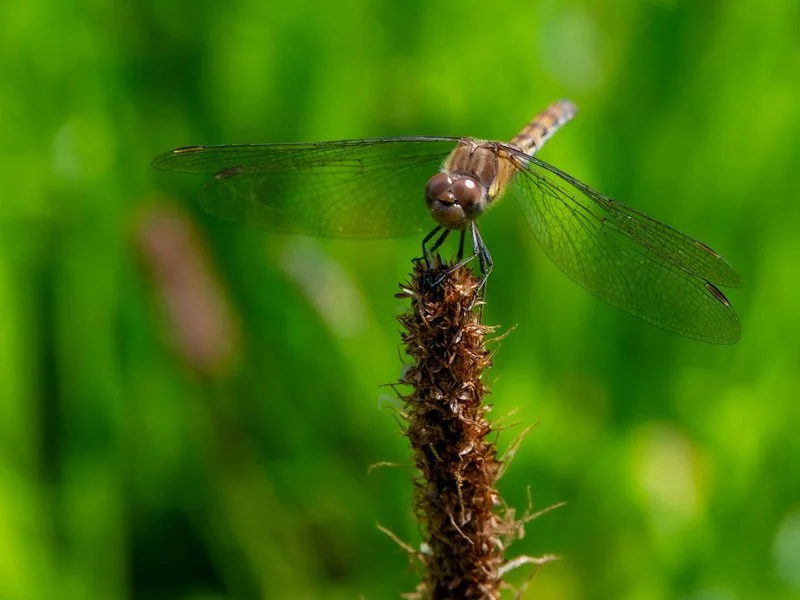
Dragonflies and damselflies
At least 11 species have been recorded breeding here, including broad-bodied chaser and golden-ringed dragonfly.
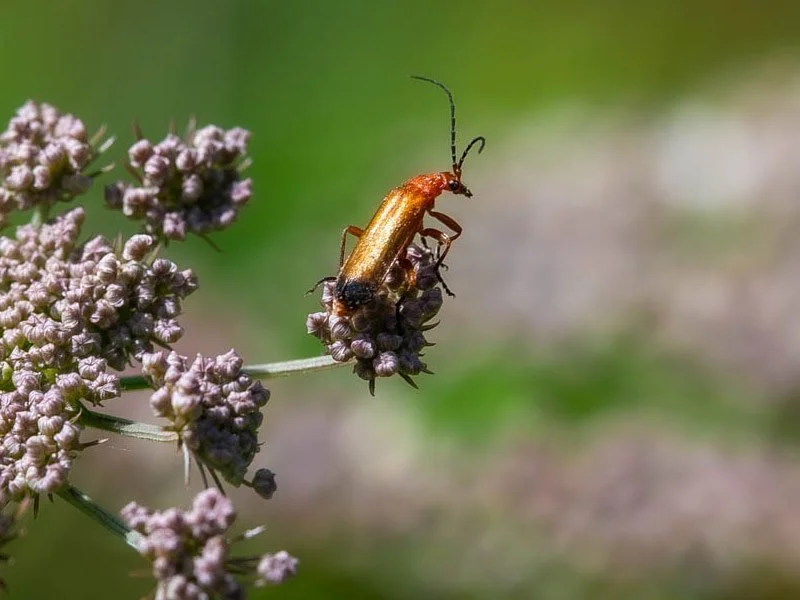
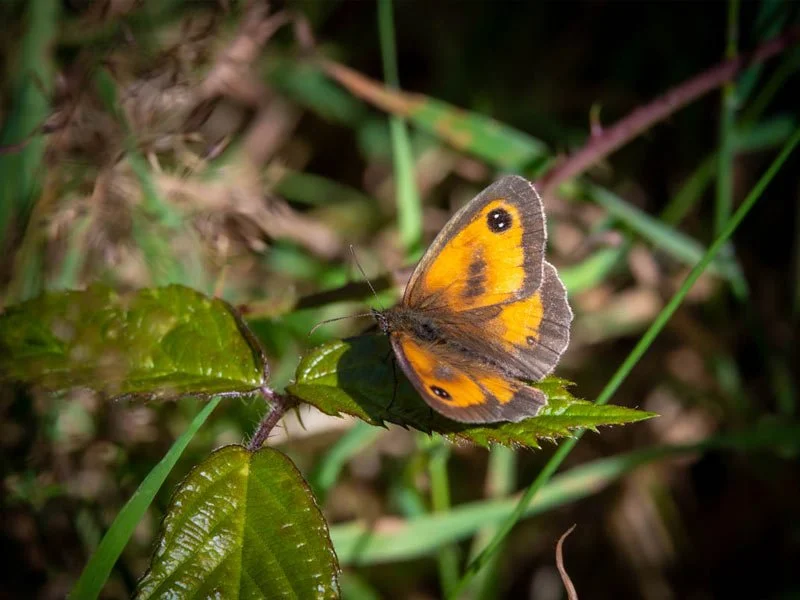
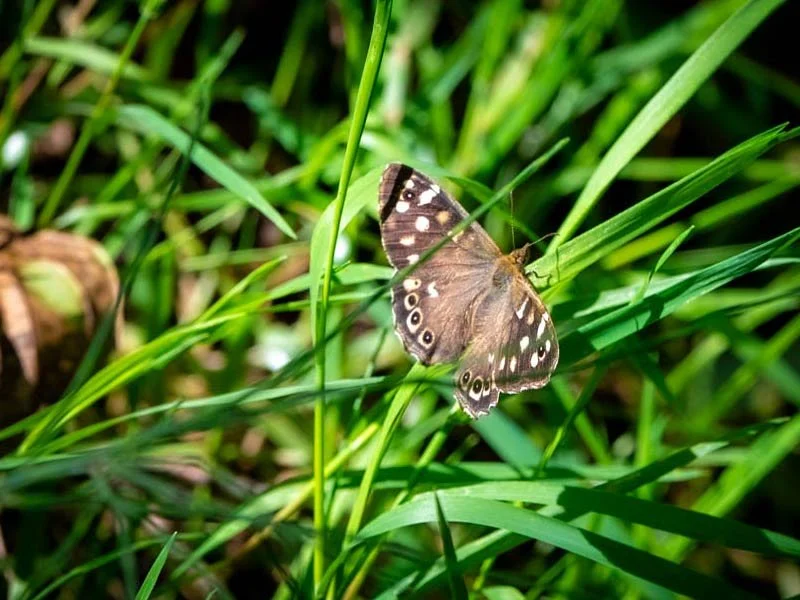
Butterflies and moths
We’ve recorded meadow browns, peacocks and many others. There’s even potential habitat for the rare marsh fritillary, although it’s not present at the moment – the foodplant it needs, devil’s-bit scabious, has been planted but is not yet established.
Riverflies and aquatic life
Before restoration, the stretch of river at Walkmill Community Woodland was little more than a concrete canal, offering no habitat for riverflies or other aquatic life. Since the works, the transformation has been remarkable. Multiple species have returned, including freshwater shrimp, caddisflies and mayflies - key indicators of a healthy ecosystem.
Fish at Walkmill
We would love to restore the heavily modified Beck into a natural waterway where fish can also live and thrive. Unfortunately, further work is not possible due to environmental concerns related to historical mining contaminants.

Mammals at Walkmill
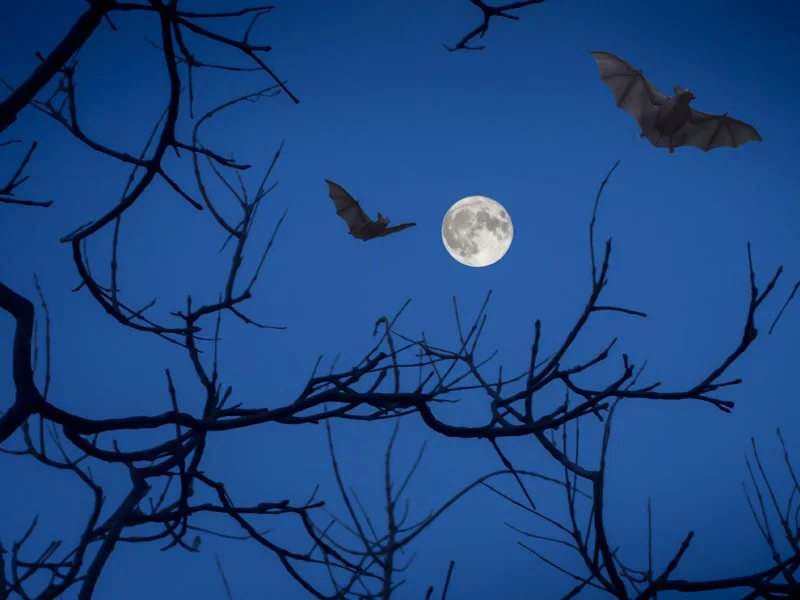
Bats
At dusk, bats are frequent visitors to Walkmill, flitting overhead as they hunt for insects. To experience this firsthand, why not join an evening bat walk where you can use bat detectors to pick up their high-pitched calls and identify the species active in the area?
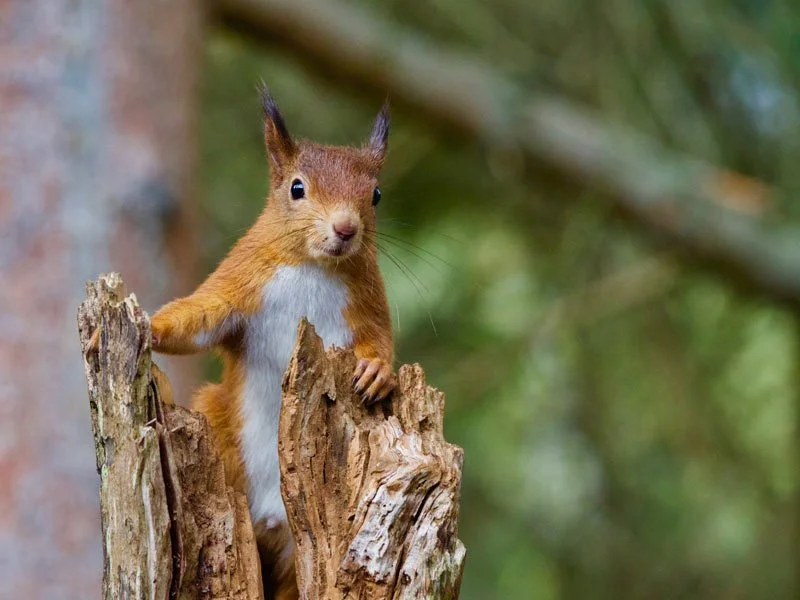
Red Squirrels
Red squirrels are still here, despite the threat from invasive grey squirrels across Cumbria. Dedicated volunteers, using hidden wildlife cameras, have captured numerous sightings, confirming their presence.
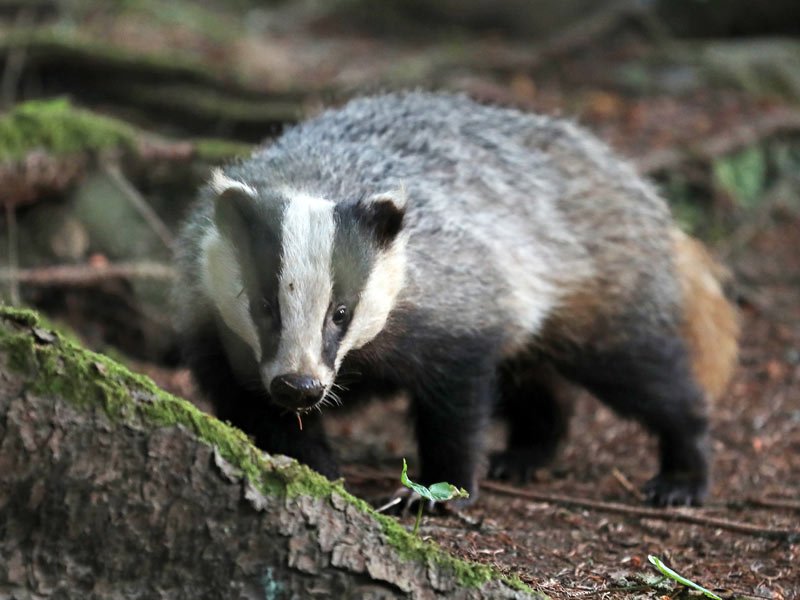
Badgers
While no setts have been discovered on-site, camera footage reveals badgers foraging as they pass through the area.
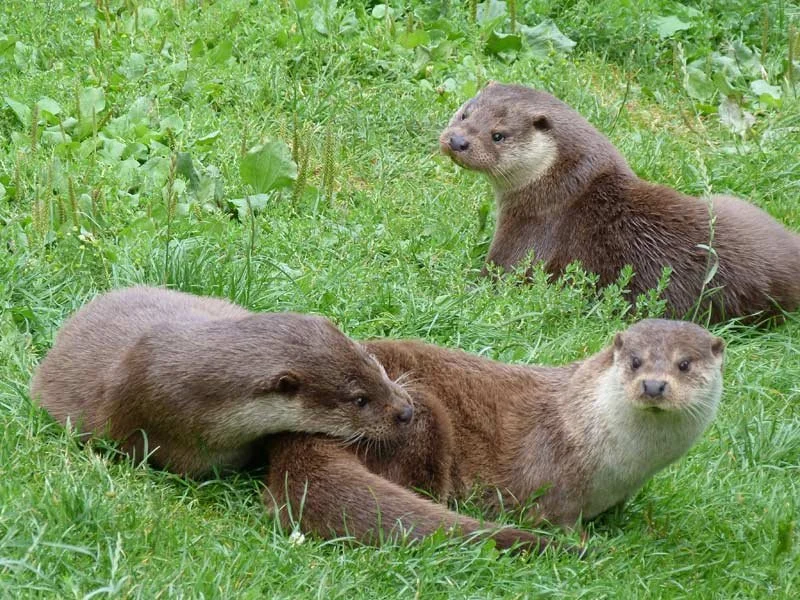
Otters
Otters are known to inhabit the River Keekle, which the beck flows into. Thanks to recent river restoration efforts, we hope to see them more regularly in the woodland section of Walkmill.
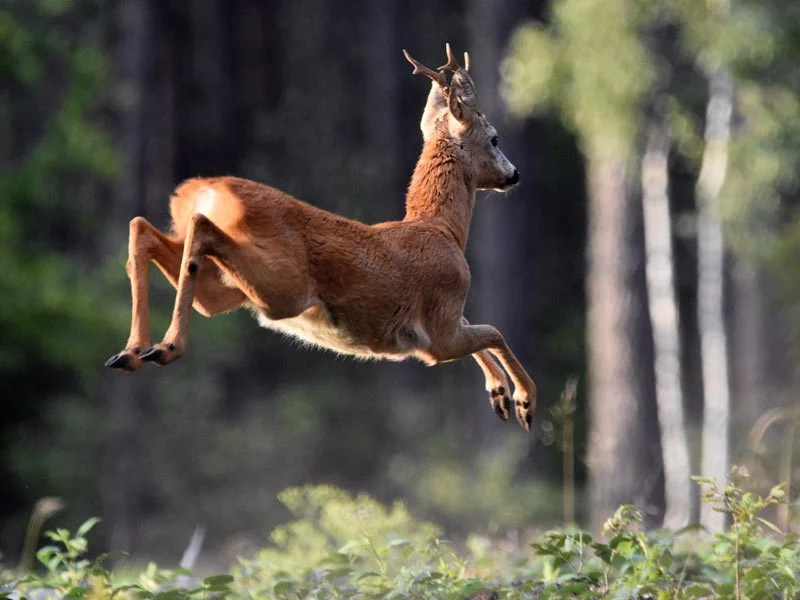
Roe Deer
Britain's most common native deer, the roe deer, can often be seen quietly moving through the woods or feeding at dawn and dusk.

Get involved
Whether you're recording species on your phone, taking part in an event, or simply enjoying a quiet walk, everyone can play a part in helping to protect this beautiful space. You don't need to be a wildlife expert to lend a hand.
Take part in our wildlife survey
Help to build a better picture of biodiversity at Walkmill. Go to www.inaturalist.org or download the free iNaturalist app to record what you see and hear at Walkmill.
The wildlife survey aims to identify and log as many plant and animal species as we can.
Tag Walkmill on social media
Have you spotted something interesting at Walkmill?
Let us know by tagging Walkmill on social media or sending a message.
#walkmillwoods
Volunteer at Walkmill
Volunteering is a great way to meet new people and contribute to our conservation efforts.
Find out more about volunteering at Walkmill.
Or get in touch to let us know you’re interested.
You are here: Home • Our story • Nature and wildlife • Wildlife at Walkmill