
Site history of Walkmill
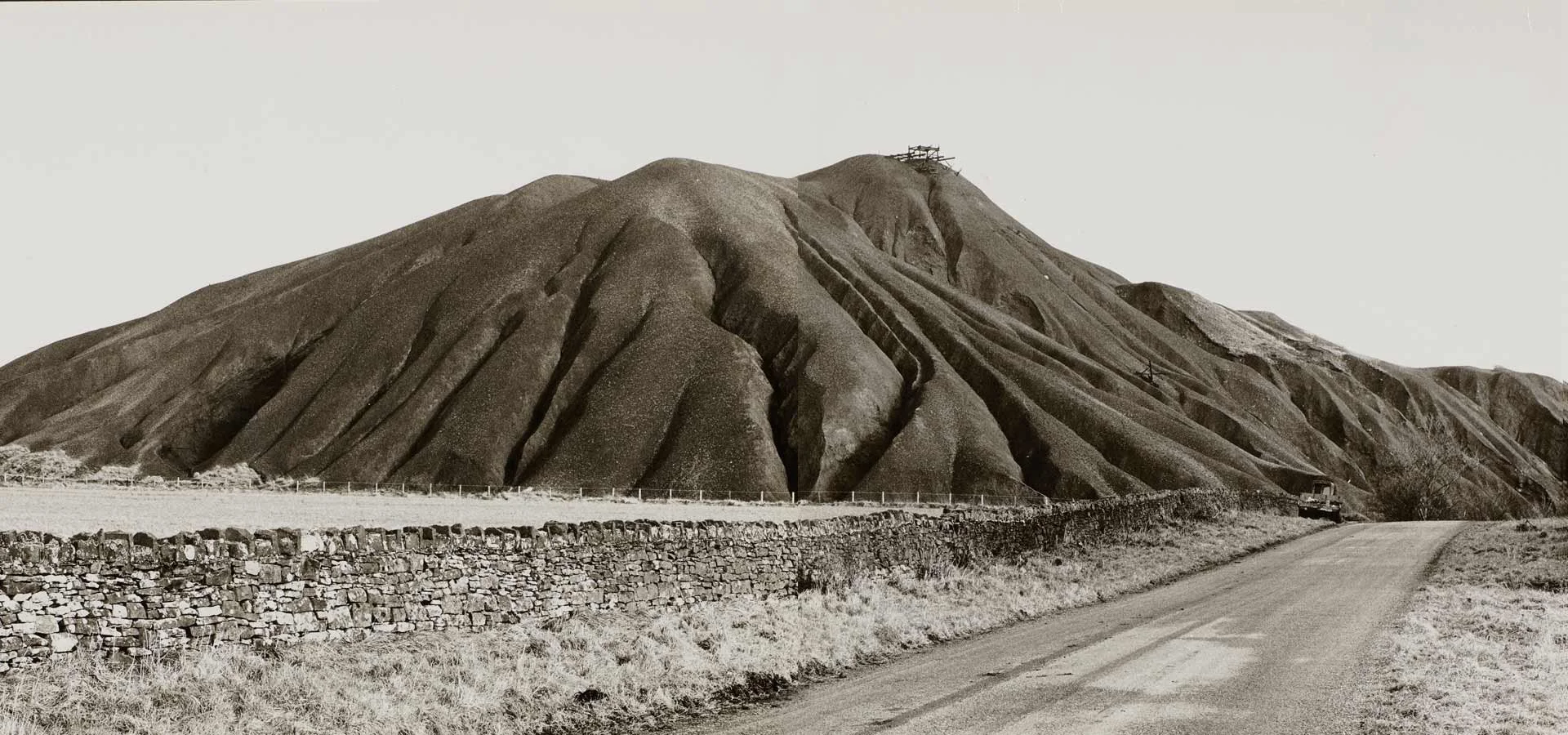
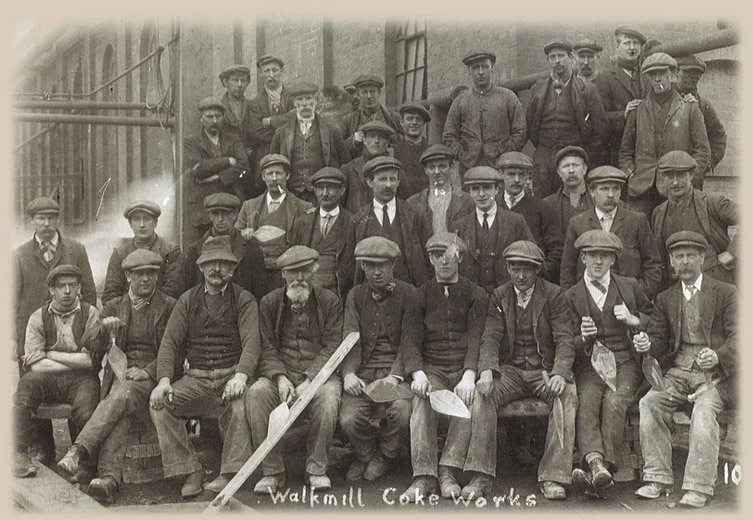
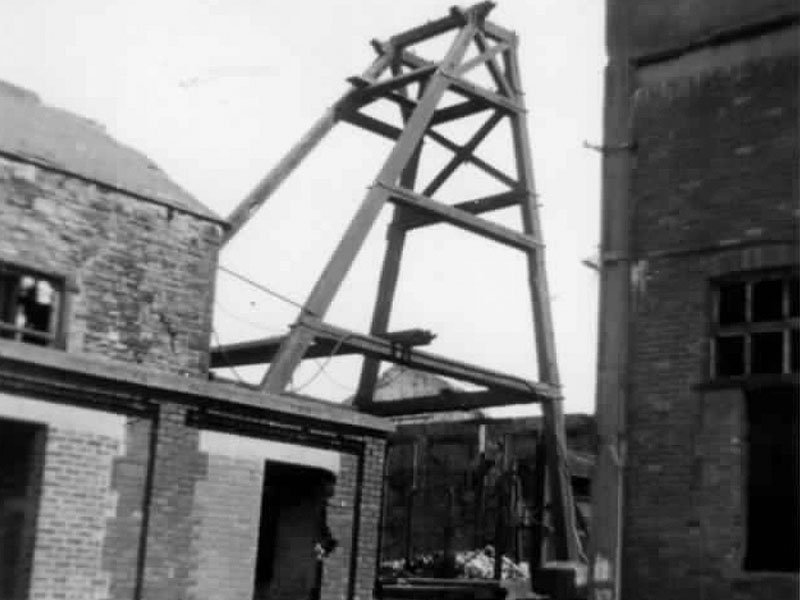
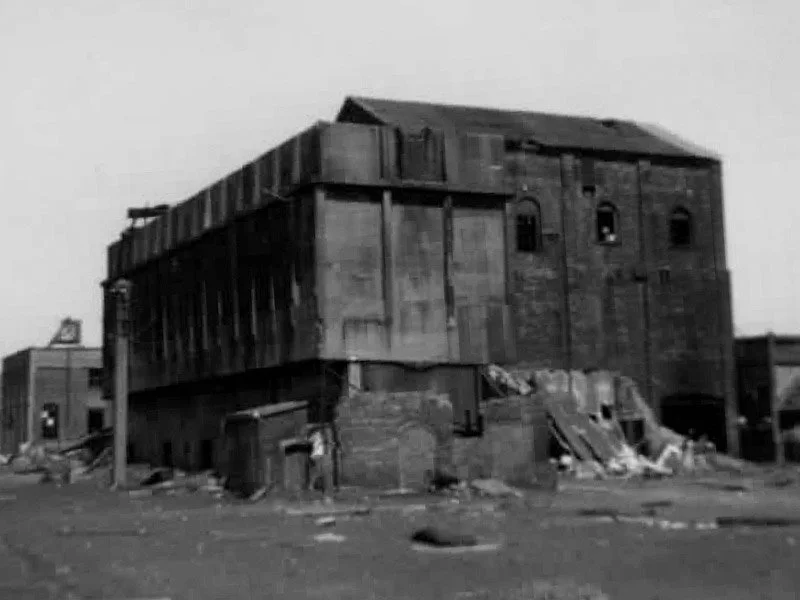
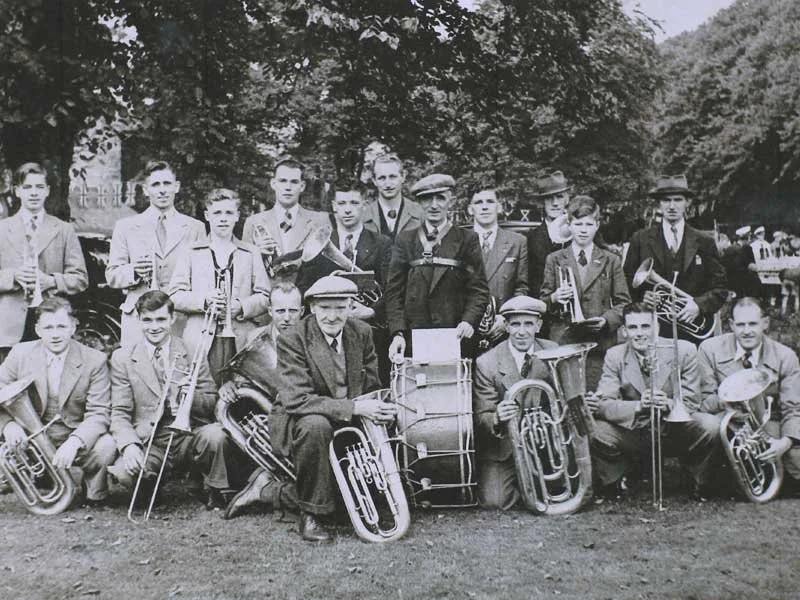
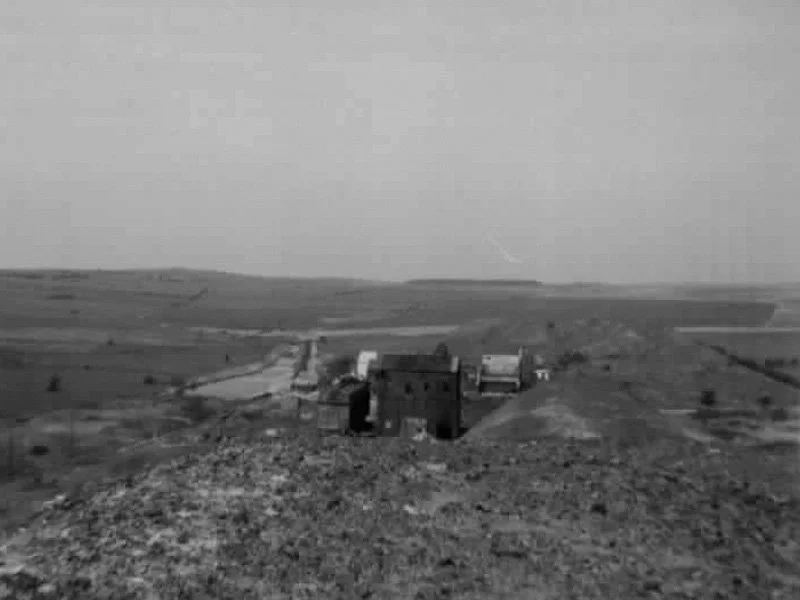
Long before it became a community woodland, Walkmill was the site of a working coalmine. Known as Walkmill Colliery, the mine operated from 1879 to 1961, employing hundreds of people over its lifetime and fuelling local industry, including the steelworks at Workington.
To celebrate Walkmill’s rich history, we’re compiling an archive of poems, photos, audio, and personal reflections of life above and below ground.
100 years at the coalface
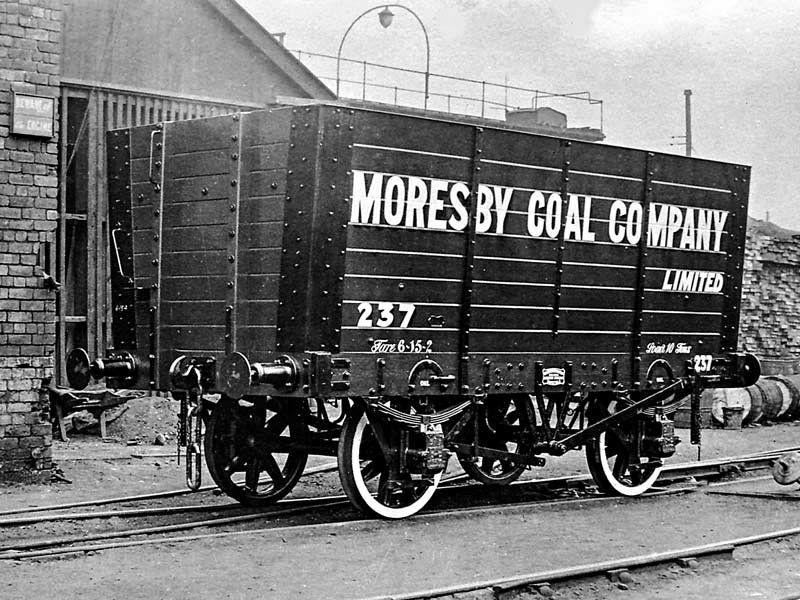
The story of coal in this area began much earlier. Exploratory drilling in the early 1800s revealed rich seams, but early mining attempts failed due to geological faulting. In the 1870s, the arrival of the Cleator–Workington Railway made deeper mining viable and cost-effective. A group of businessmen formed the Moresby Coal Company and, with permission from the Earl of Lonsdale, opened the pit that would become Walkmill Colliery.
As the mine grew, so did the nearby village of Moresby Parks, built to house the growing workforce. By the 1930s, Walkmill was producing over 1,200 tonnes of coal per day, employing nearly 950 men at its peak. The coal was high-quality bituminous, used for coking, steam, shipping, and domestic fuel.
In the decades that followed, output declined as reserves were exhausted. Despite modernisation efforts after nationalisation in 1947, including the introduction of electric engines and conveyors, the mine closed in 1961 when the coal seams were finally worked out.
From coal to community
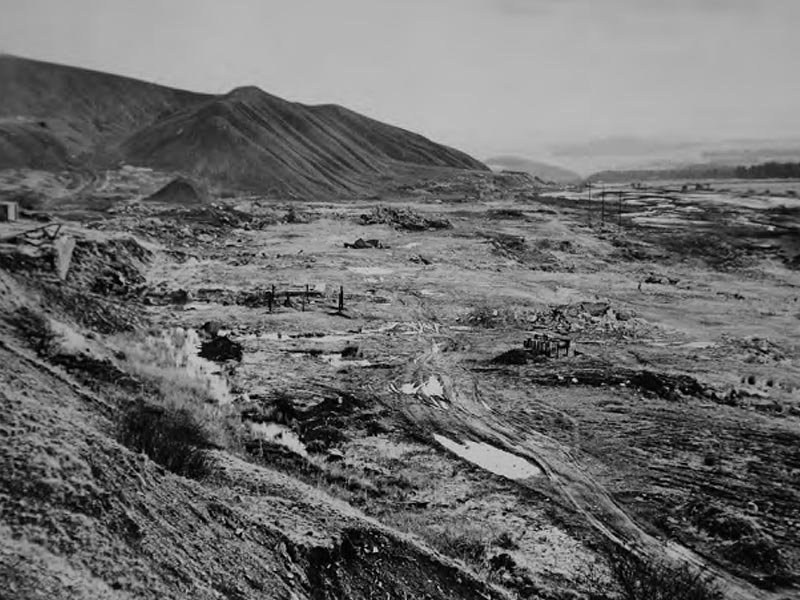
The colliery site lay dormant for many years. In the 1990s, it was successfully reclaimed as a public green space. What had once been spoil heaps and industrial infrastructure became woodland, grassland, ponds, and footpaths, with habitats for wildlife and space for people to enjoy nature.
The site was managed by Cumbria County Council (now Cumberland Council) until 2018, when it was put up for sale. A passionate local campaign helped secure a Community Asset Transfer of the land to Moresby Parish Council, who now hold a 99-year lease and oversee its ongoing care.
Today, Walkmill Community Woodland is a place to walk, play, and reconnect with nature – but its roots run deep into the coal seams beneath your feet. Download the archaeological assessment (pdf).

Walkmill Pit -
The Last Day
A poem by John Kelly,
Moresby Parks resident
The scene remains vivid
as if it were yesterday –
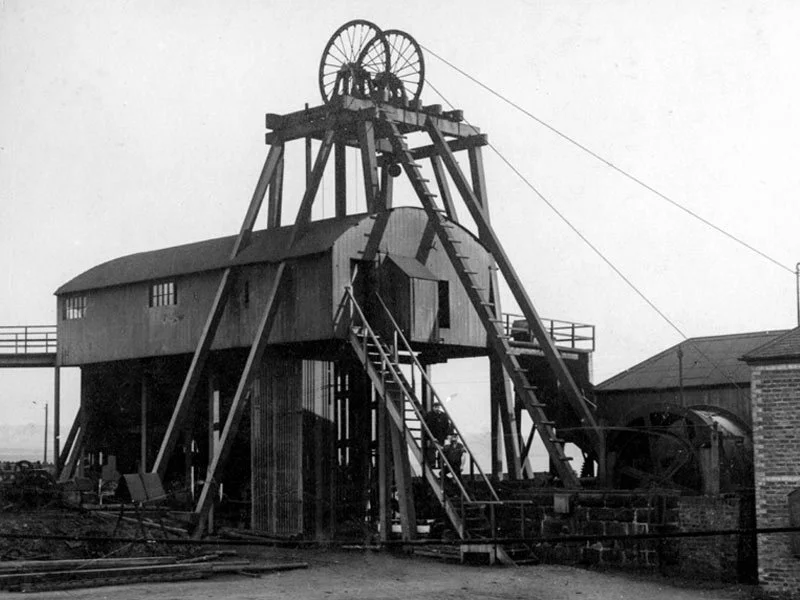
a wheel cranking laboriously,
hauling up the cage from black depths;
the machine house roaring to its pitch,
powering the lift from the void.
Two hundred yards away,
the last tubs trundle up the ramp,
carrying their black load with care –
as if not a bit should be lost.
Sorters, hands automatic,
grade coal on the endless belt.
In the blacksmith’s stronghold,
all is quiet.
He has already knocked off.
Behind the workings,
the black heap towers,
stretching toward the sky,
blending at last with the land
as dusk takes over from day.
Three million cubic feet of slag
proclaims its right
to join the fellowship of mountains.
A man sits in a bare office,
staring at the last sheaf of papers.
With a sigh,
he lifts his pen
and signs the end.
He rises,
looks through the oblong window –
the shaft head toils,
lifting its final burden.
If he hurries,
he can greet his men
for the last time.
With heavy steps
he walks to the pithead,
an empty feeling
in the pit of his stomach.
The day has dragged
like a stone on his shoulders.
He feels alienated.
He will be the last to leave.
The manager
is always
the last to leave.
Beautiful Nature – A Song for Walkmill
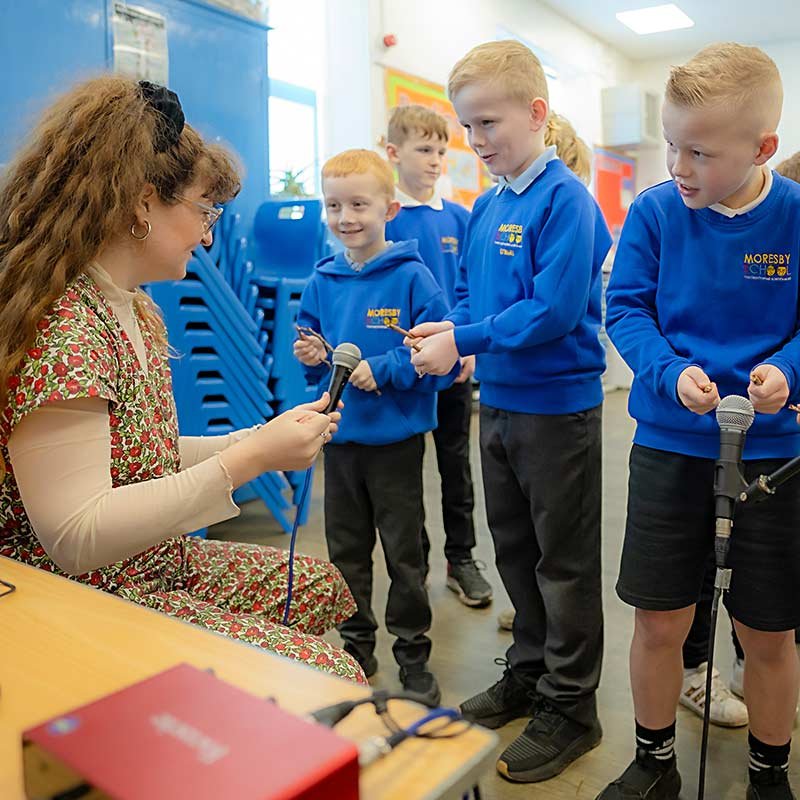
Listen to the Walkmill Woods song, created with pupils from Moresby Primary School. This original song was developed during three fun-packed sessions led by Handpicked Productions and West Cumbria Rivers Trust.
The children explored Walkmill Woods, collecting sounds from the site – handclaps, snapping sticks, rustling leaves – to build a unique backing track. They wrote lyrics inspired by the woodland and worked together to bring the song to life with singing, actions, and percussion.
Everything you hear, from the beat to the birdsong, has a story behind it.
Download and listen






Key dates in Walkmill’s history

exploratory work
1800

coalmine opens
1879

peak production
1936

pit closure
1961
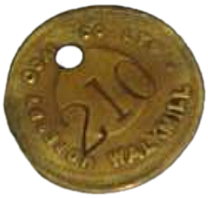
The “facts” dotted throughout our website represent the pit tokens used by miners when Walkmill was a working coalmine. Each design reflects the unique tags miners handed in before descending underground, helping pit bosses keep track of who was below.
These tokens help tell the story of Walkmill’s industrial past and the people who shaped it. In time, you’ll also see them appearing on signage around the woodland, linking the landscape to its layered history. How many can you spot?
You are here: Home • Our story • Site history