
Natural habitats
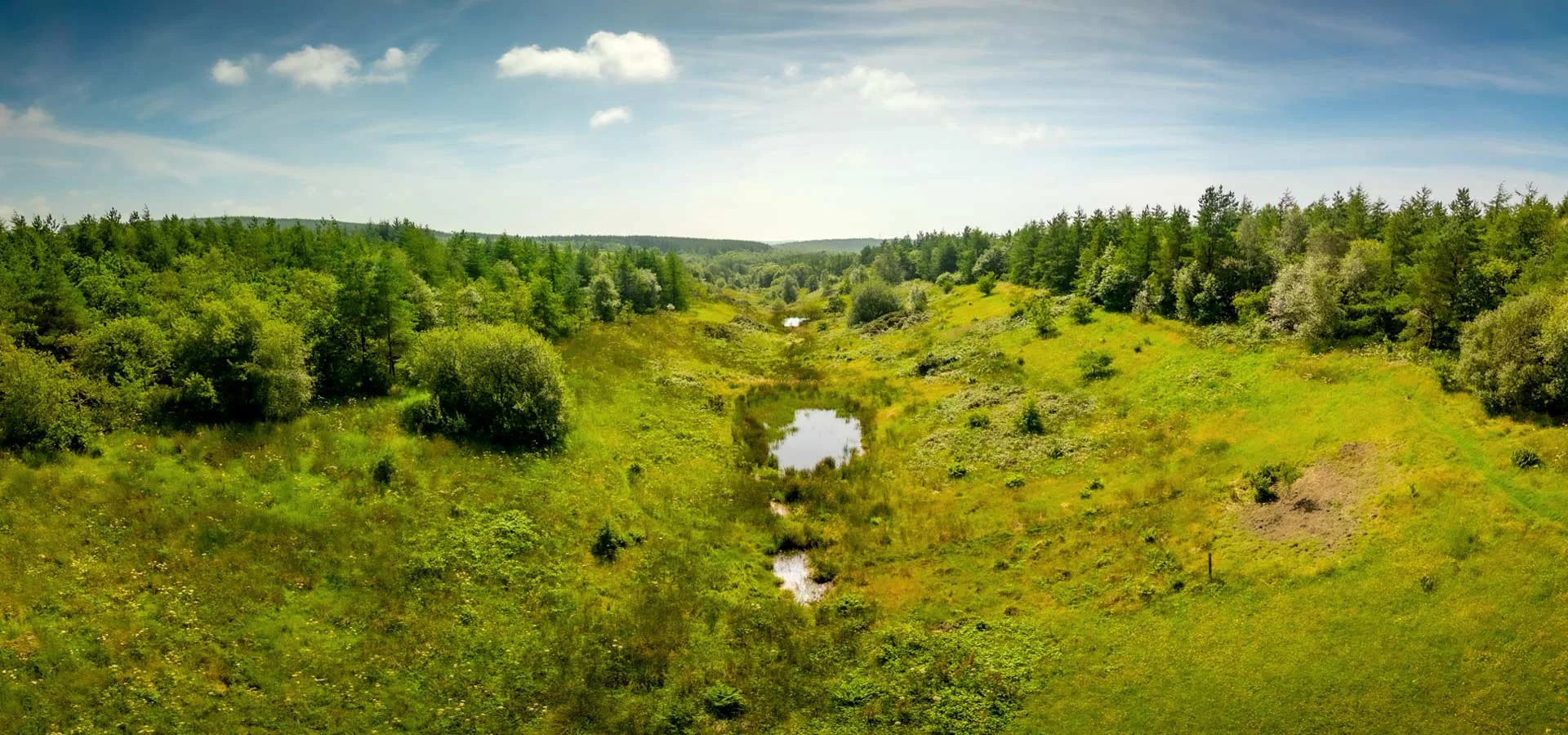
Step into Walkmill and immerse yourself in a vibrant natural world, teeming with life. Diverse habitats, from towering woodlands to sun-drenched grasslands, offer a fascinating glimpse into a thriving ecosystem. Every rustle of a leaf and buzz of a bee tells a story.
Explore the rich variety of trees, grasses, and wildflowers, which create the perfect home for countless species of birds, insects, and mammals. Whether you're a keen nature enthusiast or simply looking for a peaceful walk, you'll find something new and exciting around every corner.


Grassland and wildflowers
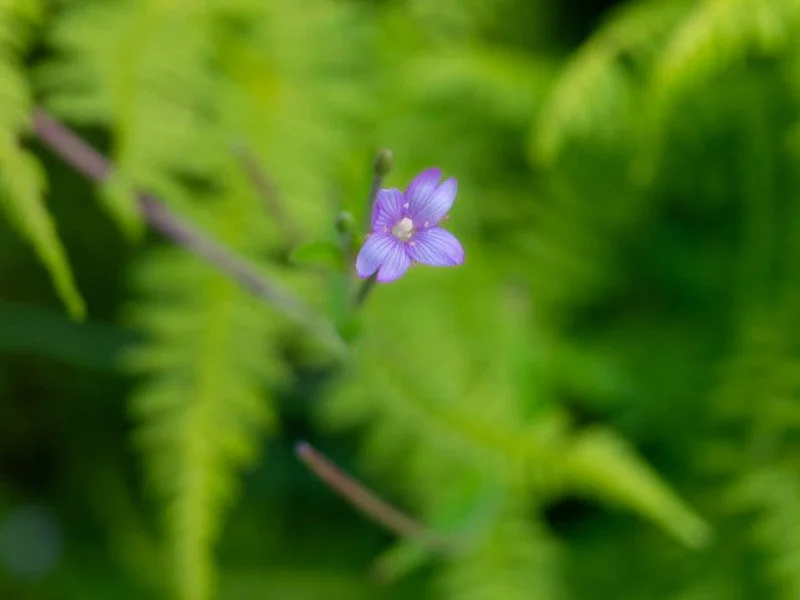
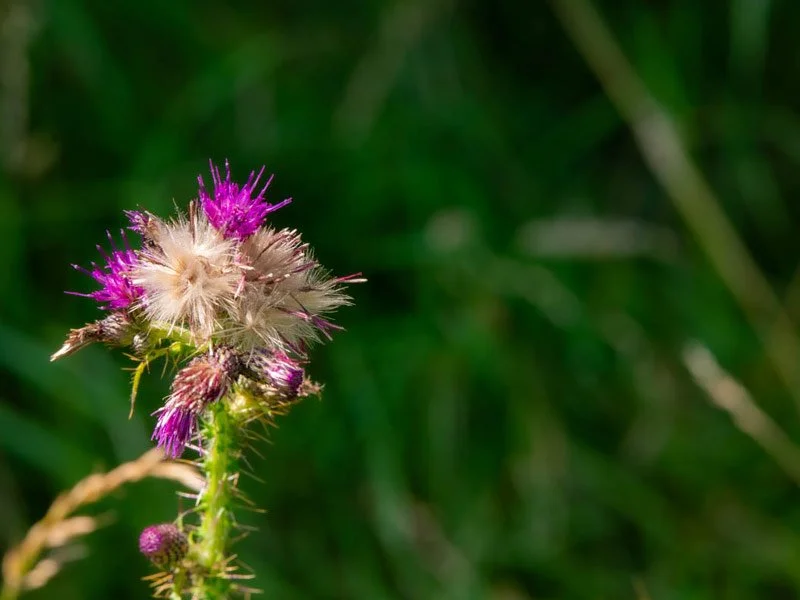
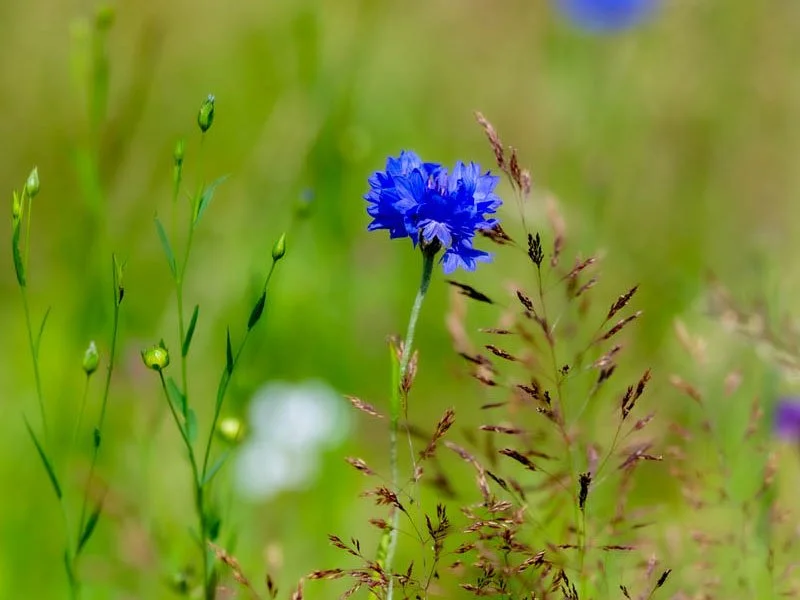
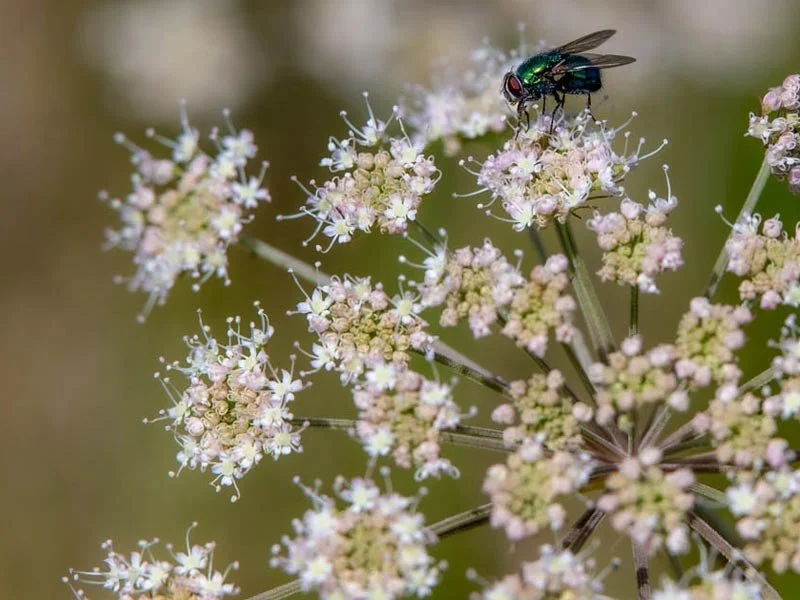
Walkmill's open areas are alive with a rich variety of grasses and wildflowers, creating a vital habitat for a wide range of species. These vibrant spaces are not only essential for butterflies, bees, and other pollinators, but they also provide a home for reptiles, amphibians, and small mammals.
Wildflowers and other herbaceous plants
Rosebay Willowherb
Hogweed
Meadowsweet
Red Campion
Herb-robert
Bird's-foot Trefoil
Cleavers
Bramble
White and Red Clover
Sorrel
Silverweed
Vetch
Dock
Ribwort Plantain
Creeping Buttercup
Sow-thistle
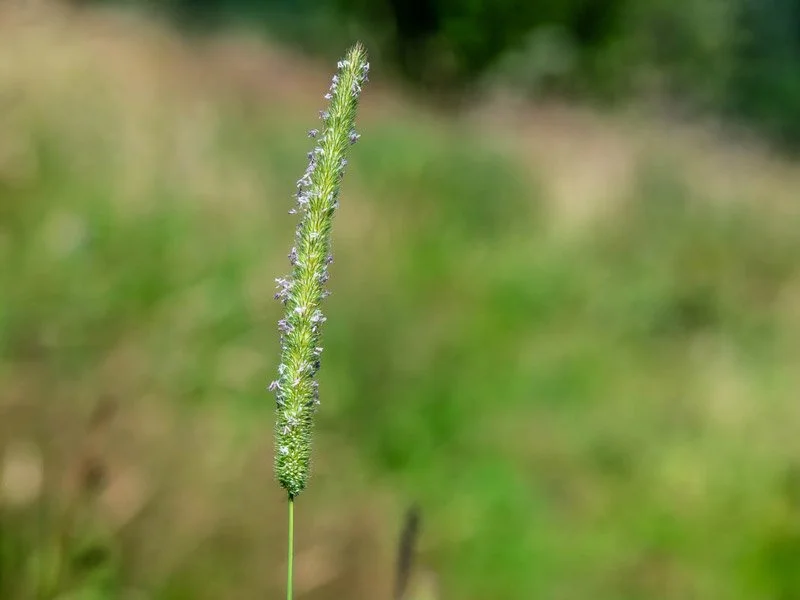
Grasses you can find here
Perennial Rye-grass
False Oat-grass
Cock's-foot
Timothy
Yorkshire Fog
Crested Dog's-tail
Sweet Vernal-grass
Look out for
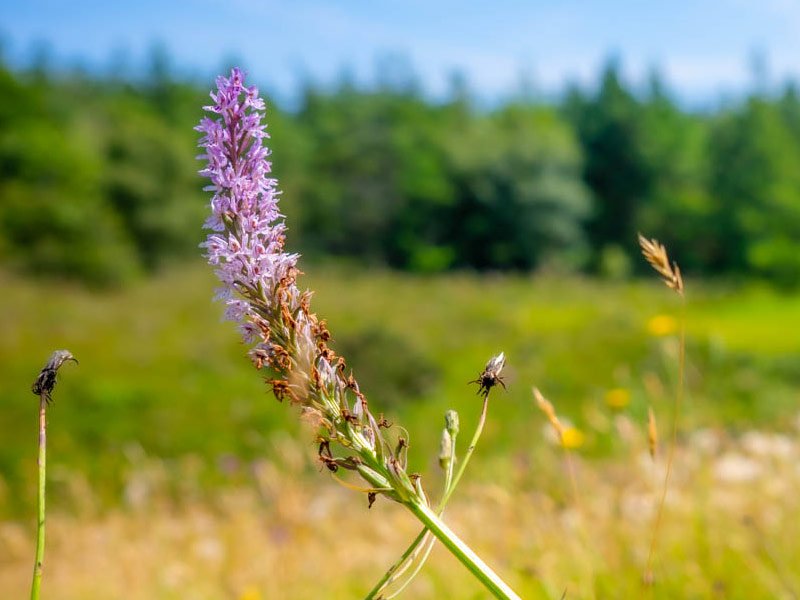
You may be lucky enough to spot orchids blooming in these grassland areas, while some sections also feature patches of heather, gorse, and soft rush.

Woodland and trees
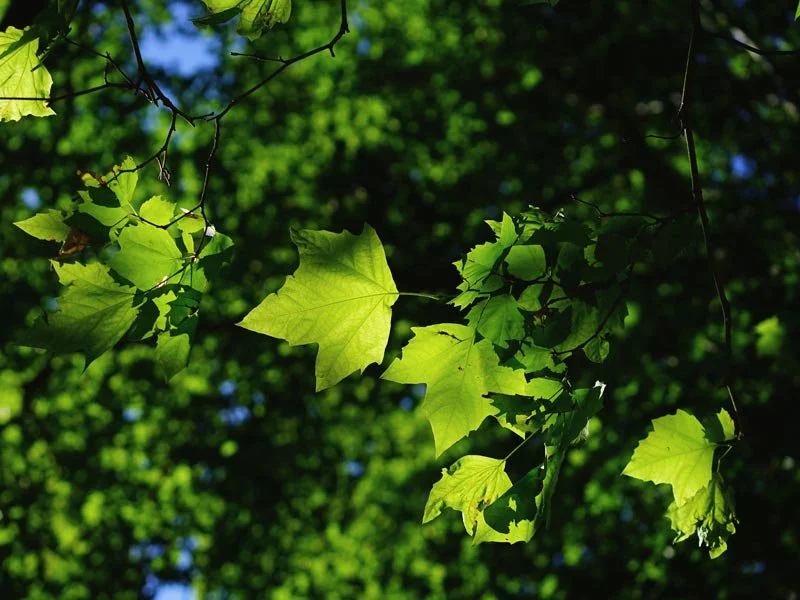
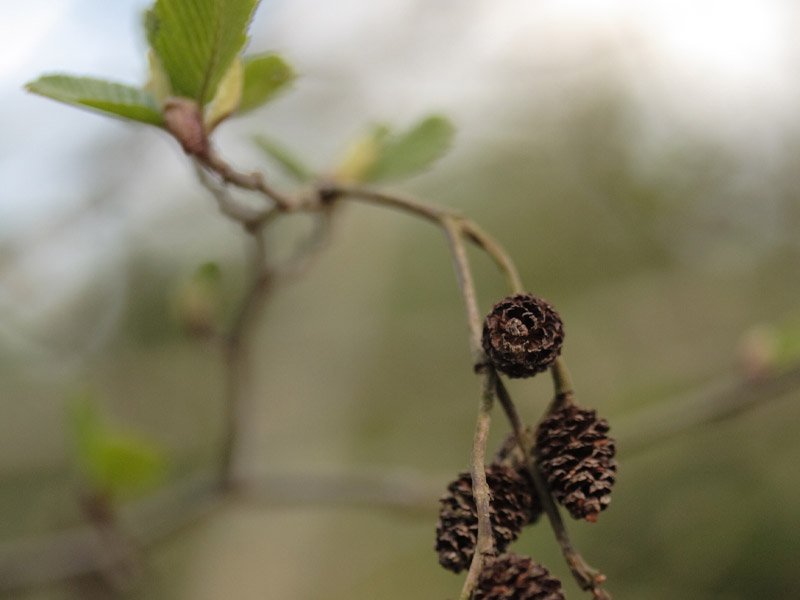
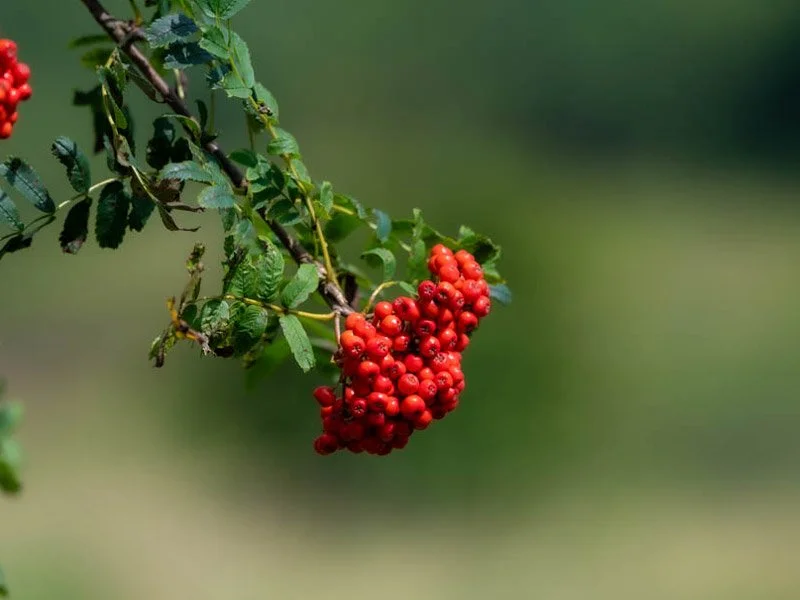
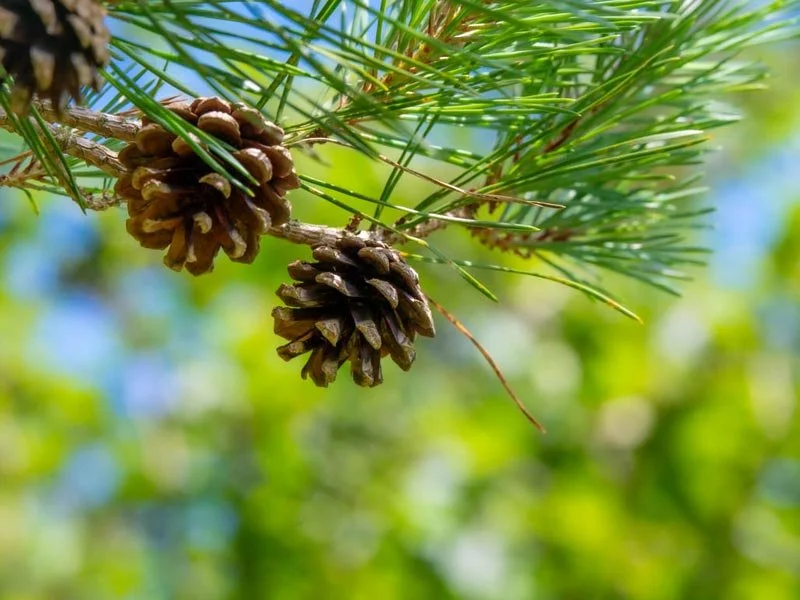
Woodland covers approximately 75% of Walkmill, featuring a rich blend of native broadleaf and conifer trees. This diverse mix creates a thriving environment, providing essential food, shelter, and nesting sites for a wide variety of animals and birds.
Common trees you can find here
Alder
Ash
Birch
Japanese larch
Lime
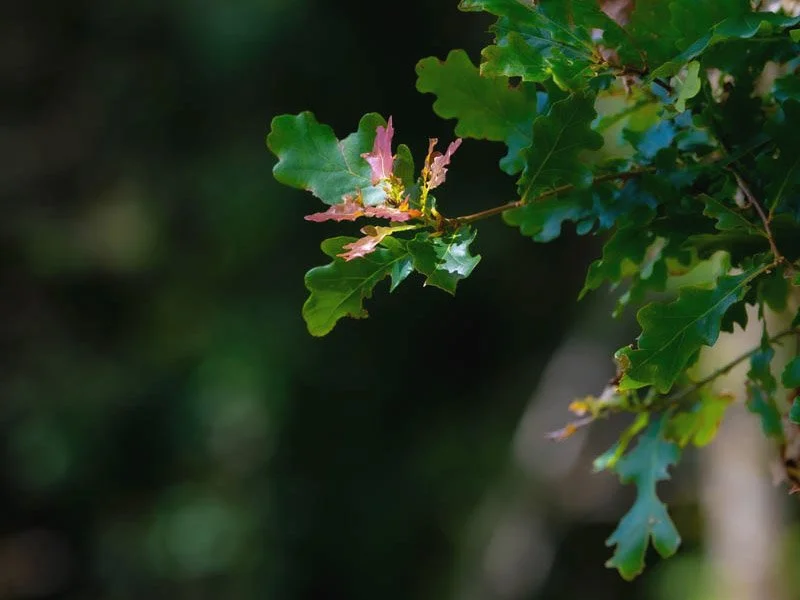
Oak
Scots pine
Sycamore
Willow
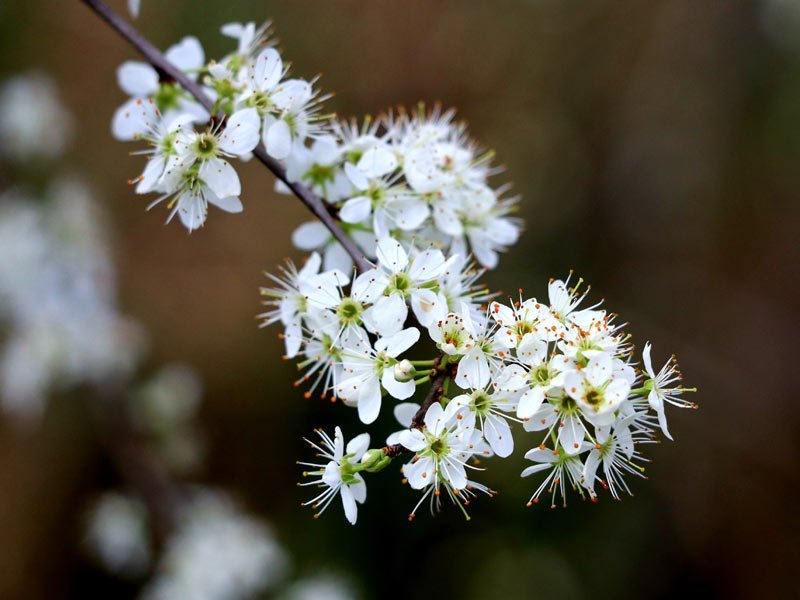
Less common, but still present
Aspen
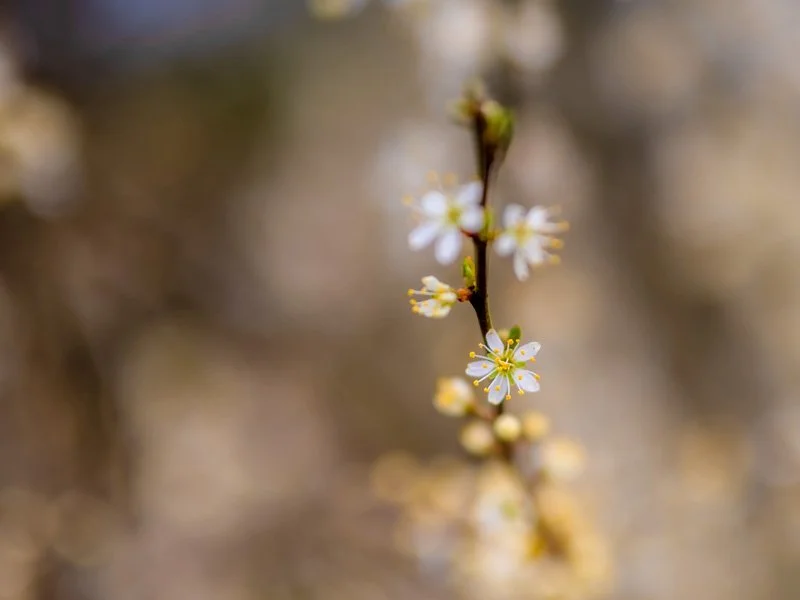
Blackthorn
Guelder rose
Hawthorn
Hazel
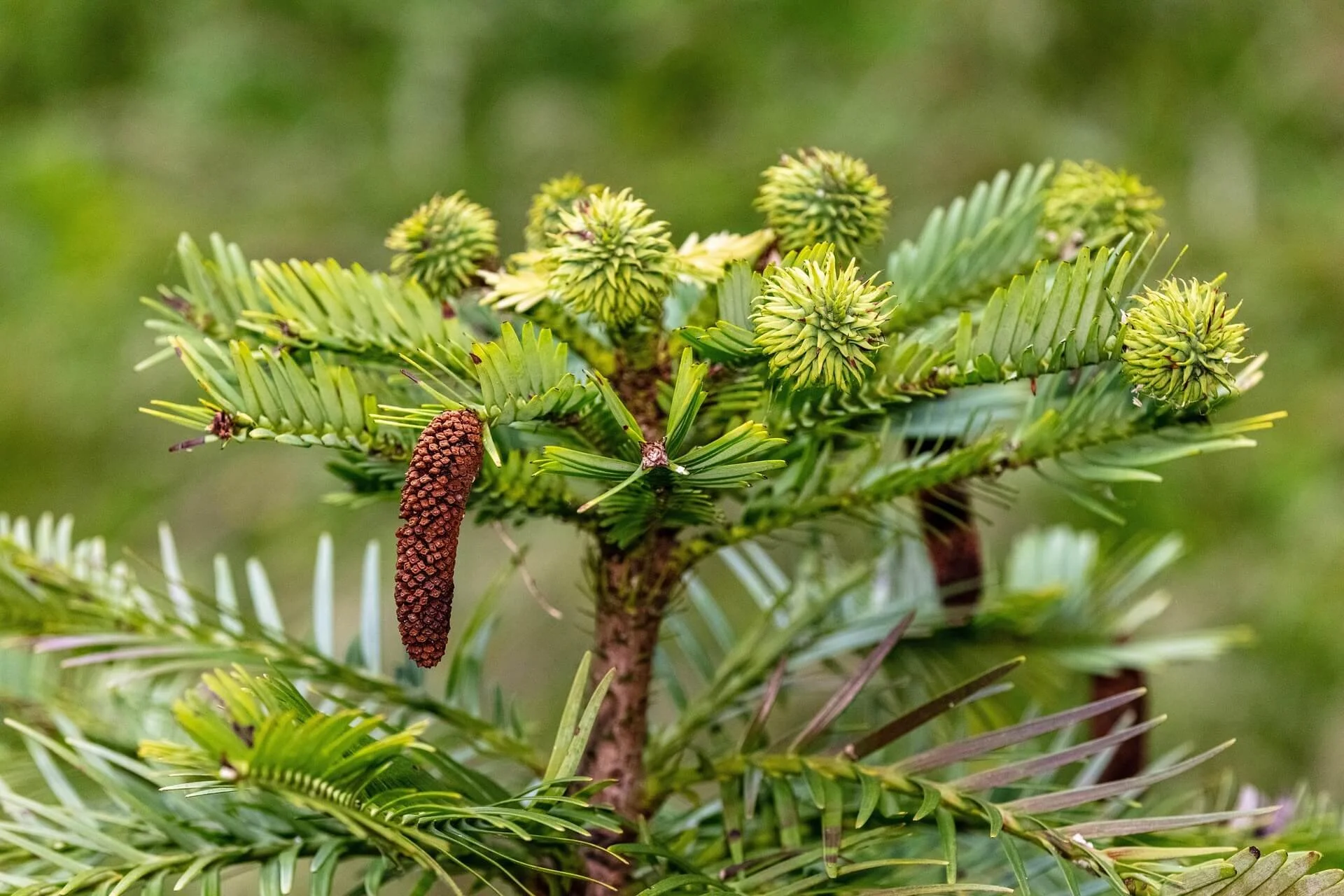
Norway spruce
Rowan
Whitebeam
Did you know?
You can use the free Woodland Trust's Tree ID app to identify the trees you discover at Walkmill.

Get involved
Whether you're recording species on your phone, taking part in an event, or simply enjoying a quiet walk, everyone can play a part in helping to protect this beautiful space. You don't need to be a wildlife expert to lend a hand.
Take part in our wildlife survey
Help to build a better picture of biodiversity at Walkmill. Go to www.inaturalist.org or download the free iNaturalist app to record what you see and hear at Walkmill.
The wildlife survey aims to identify and log as many plant and animal species as we can.
Tag Walkmill on social media
Have you spotted something interesting at Walkmill?
Let us know by tagging Walkmill on social media or sending a message.
#walkmillwoods
Volunteer at Walkmill
Volunteering is a great way to meet new people and contribute to our conservation efforts.
Find out more about volunteering at Walkmill.
Or get in touch to let us know you’re interested.
You are here: Home • Our story • Nature and wildlife • Natural habitats